







Looking for a Specific Guitar Kit?
Type in a model or style to see what’s available.
Finding a good left handed guitar is hard enough. Finding a left handed guitar kit is even harder. We carry a dedicated selection of left handed guitar kits that are properly mirrored, not just flipped. The nut slots, the pickup angles, the control cavity, and the body contours are all oriented for a left handed player.
Our lefty kits include S-style, T-style, single cutaway, bass, and other body shapes. Every kit ships with the same components as our right handed versions: a pre-shaped body, a fretted neck, pickups, hardware, and full wiring. The only difference is the orientation.
If you are a left handed player who has been settling for a limited selection at guitar shops, building your own kit opens up real choices. You pick the body style, the finish, and the setup. No more playing a right handed guitar upside down or choosing from two models on the wall. Build the lefty guitar you actually want.
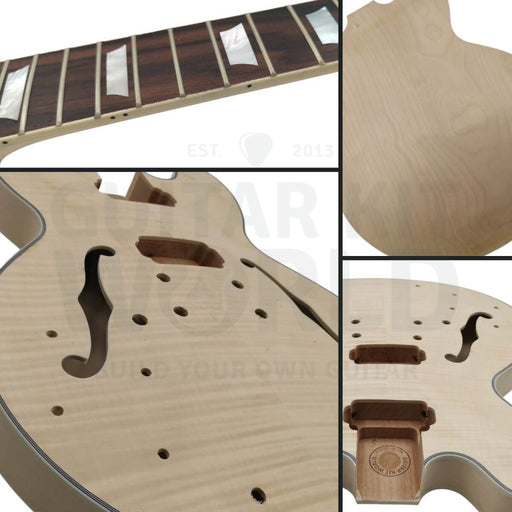
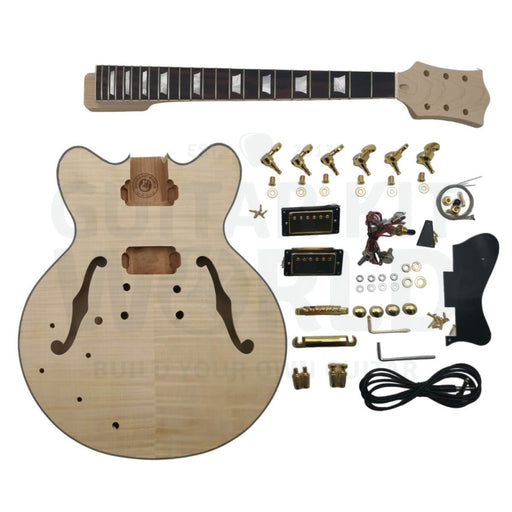
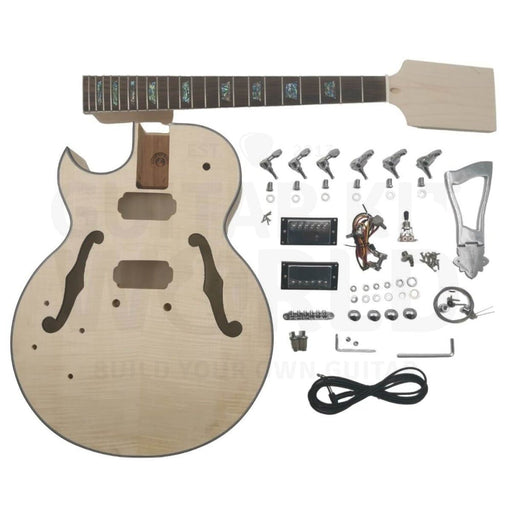
Build your own left-handed DIY hollow body guitar with Mahogany Body and Neck, Quilted Maple veneer, F-Holes, and Florentine-style single cutaway. ...
View full detailsBuild a custom electric guitar from the ground up with this left handed blank TE-style guitar kit, designed specifically for left handed players an...
View full detailsBuild your own Lefty E35 Archtop Semi-Hollow body Guitar Kit with Rosewood Fretboard using our DIY Guitar Kits. Specifications Hand Orientation: L...
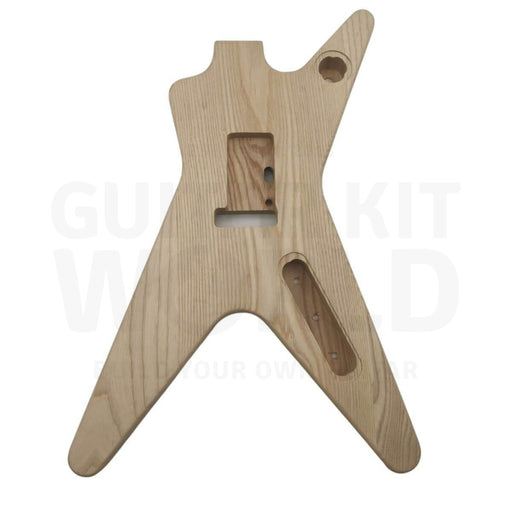
View full detailsBuild your own Lefty DB-style Ash body Guitar with Rosewood Fretboard using our DIY Guitar kits. Please note: Images display an ebony fretboard, ...
View full detailsBuild your own left-handed DIY guitar with a mahogany body and neck, ebony fretboard, and pearl white Trapezoid fretboard inlays kit. Specificati...
View full detailsBuild your own left-handed Hollow Body Guitar with Rosewood Fretboard using our DIY Guitar kits. Watch Ken's video series on how he builds his indi...
View full detailsBuild your own Lefty DB-style Ash body Guitar with Ebony Fretboard using our DIY Guitar kits. Specifications Hand Orientation: Lefty He...
View full detailsBuild your own F3 DIY guitar with this Custom Shop kit. Description Body type: Solid Neck Shape: C-shaped Frets: 22 Scale: 628mm ...
View full detailsSpecifications Body Type*: Solid Neck Shape*: C-shaped Number of Frets: 22 Length Scale*: 628 mm / 24.75″ Cutaways: Double Binding:...
View full detailsA solid body ST style DIY guitar kit can be modified to your playing style and preferences. Specifications Body type*: Solid Neck Shape*: ...
View full detailsBuilding a TE style guitar is easy with our DIY TE guitar kits. We have the wood and hardware for you to build your own TE style DIY guitar. The TE...
View full detailsBuild your own F2 DIY guitar with this Custom Shop kit. Description Body type*: Solid Neck Shape*: C-shaped Number of Frets*: 22 ...
View full detailsUnleash your creativity with the ICE 7 Guitar Kit! Build your dream guitar with customizable bodies, necks, timber, and hand-orientation options. E...
View full detailsCustomizable TE Semi-hollow style DIY Guitar Kit to build your very own guitar, tailored to your unique style and playing preferences. Express your...
View full detailsOur JM Bass guitar kit is a solid body bass DIY kit that you can modify to your playing style and preferred musical genres such as funk, disco, reg...
View full detailsBuild your own custom W Bass guitar customizing body material, neck, hand-orientation, and more for your taste and playing style. Description Body...
View full detailsBuild your own semi-acoustic E35 style semi-hollow body DIY guitar. This DIY guitar kit can be customized according to your taste and playing style...
View full detailsDescription Body Type: Solid Neck Joint: Bolt-on Neck Shape: C-shaped No. of Frets: 22 Scale: 628mm / 24.75" Cutaways: Double ...
View full detailsOur lefty kits have properly mirrored bodies with correct nut slotting, pickup angles, and control placement, not just a flipped right handed kit.
We carry several left handed body styles including double cutaway, single cutaway, T-style, and bass configurations.
The nut is pre-slotted for left hand string order (low E on the right side) and the bridge intonation is set accordingly.
Standard pickup sizes and mounting patterns mean you can upgrade to aftermarket left handed or universal-fit components.
These are true left handed kits. The body shape, nut slotting, pickup routing, and control cavity are all properly oriented for left hand playing. They are not mirrored afterthoughts.
We carry left handed versions of our most popular body styles including S-style, T-style, single cutaway, and bass kits. Check this collection page for the current lefty lineup.
In most cases, yes. Standard pickups work in either orientation. Some staggered-pole single coils are designed for right hand string spacing, so check the pole piece alignment before installing.
Retail stores typically stock very few left handed guitars. Building a kit gives you full control over body style, finish, and electronics without being limited to whatever a store happens to carry.
Type in a model or style to see what’s available.