






Looking for a Specific Guitar Kit?
Type in a model or style to see what’s available.
Attention, guitar lovers! If the thought of soldering has you second-guessing a DIY guitar project, worry no more. Our specially curated low-solder guitar kits are here to make your guitar-building journey smooth and enjoyable. These kits are designed to minimize soldering work, making them ideal for beginners and those short on time.
Get ready to assemble your dream guitar with ease, focusing on the creative aspects of guitar building and quickly advancing to the tuning and playing stage.
Check out our top picks for a fuss-free build:
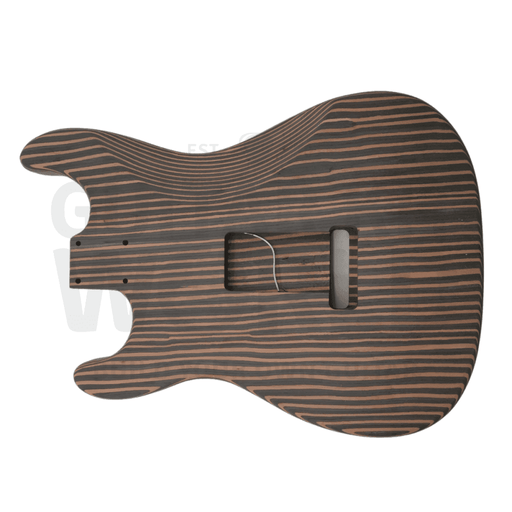
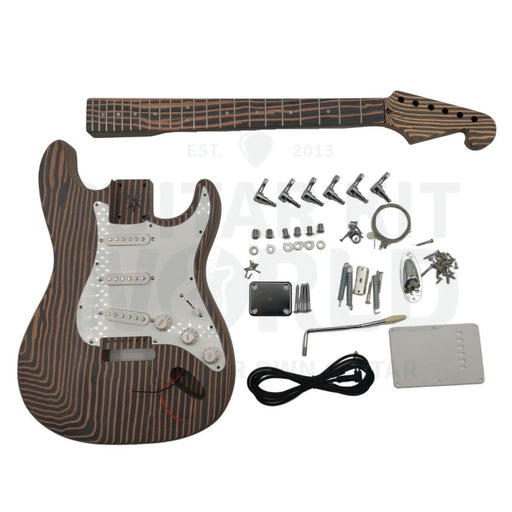
The body, neck and fretboard are all Stripewood, so the bold dark-and-light stripe runs through the whole guitar. Stripewood is our name for this w...
View full detailsReady to add a new badge to your DIY hall of fame? Our Stripewood ST style body Guitar kit with a Rosewood fretboard is ready to roll with you. Put...
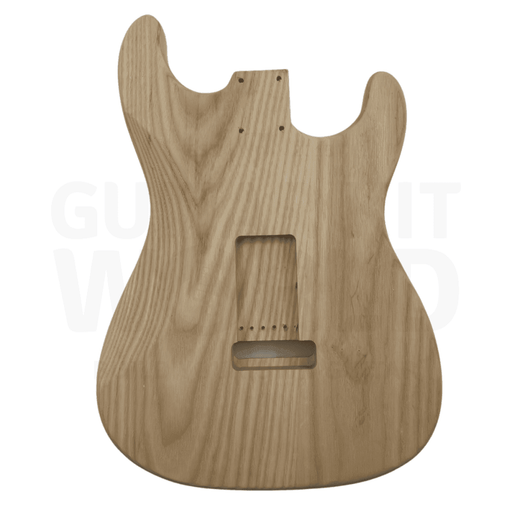
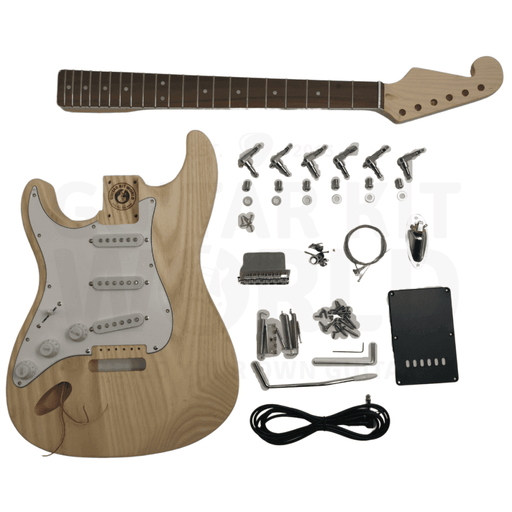
View full detailsBuild your own DIY left-handed Ash body ST style guitar with a bolt-on neck and rosewood fretboard. Full Specifications General Dexterity: Left-Ha...
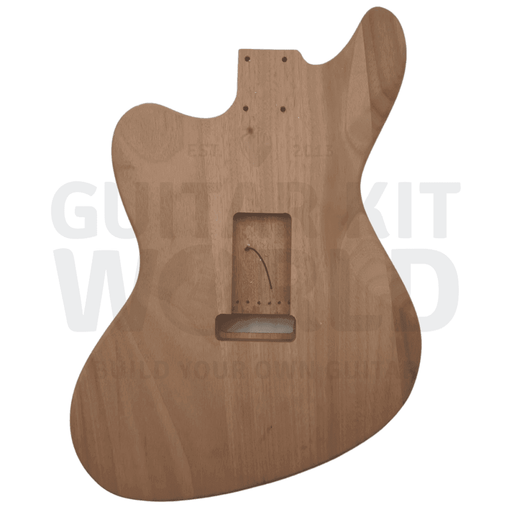
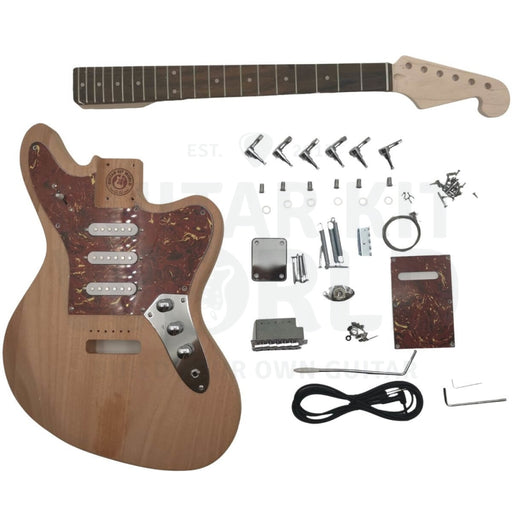
View full detailsBuild a full-scale offset electric guitar from a box of parts. This DIY kit gives you a solid mahogany body, a bolt-on maple neck with a 21-fret ro...
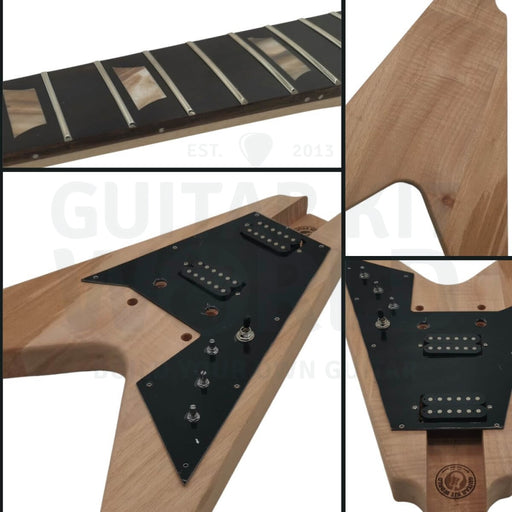
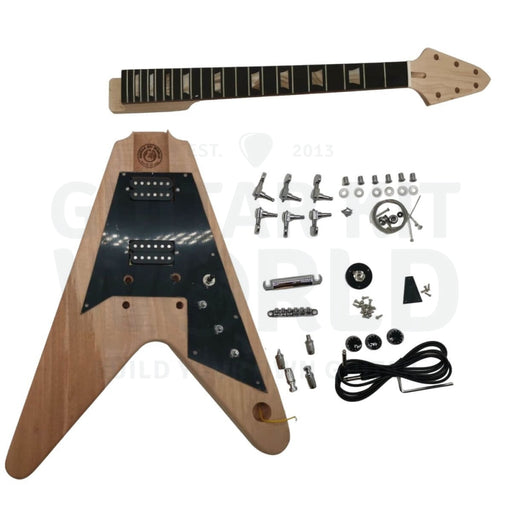
View full detailsMahogany body V-style Guitar Kit with ebonized fretboard, maple neck, and white pearloid trapezoid fretboard inlays. Full Specifications General D...
View full detailsBuild your own classic T-style electric guitar with this DIY Mahogany Guitar Kit, featuring a solid mahogany body for rich sustain, a smooth Maple ...
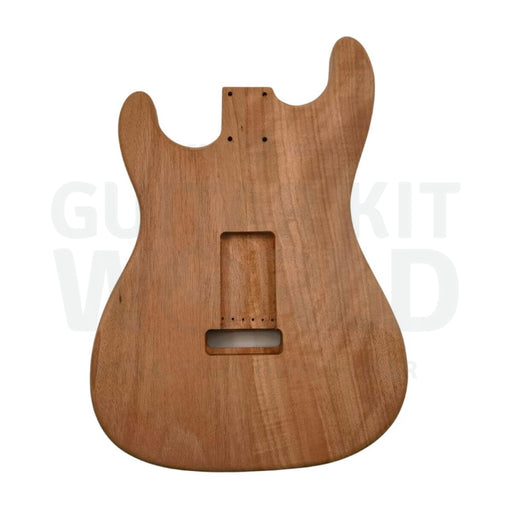
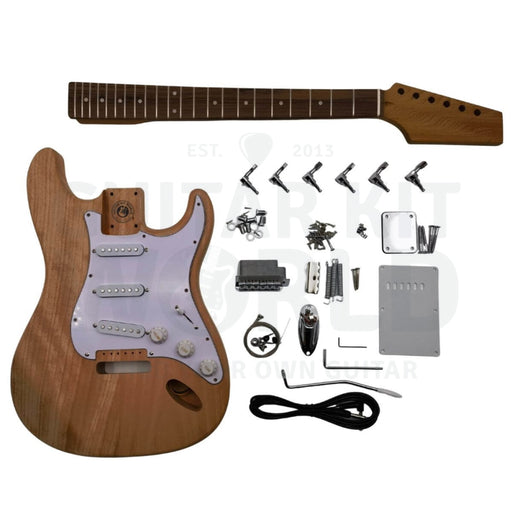
View full detailsBuild your own S-style electric guitar with this high-quality DIY guitar kit, designed for smooth playability and classic tone. Featuring a solid t...
View full detailsBuild your own S-style electric guitar with this high-quality DIY guitar kit, designed for smooth playability and classic tone. Featuring a solid t...
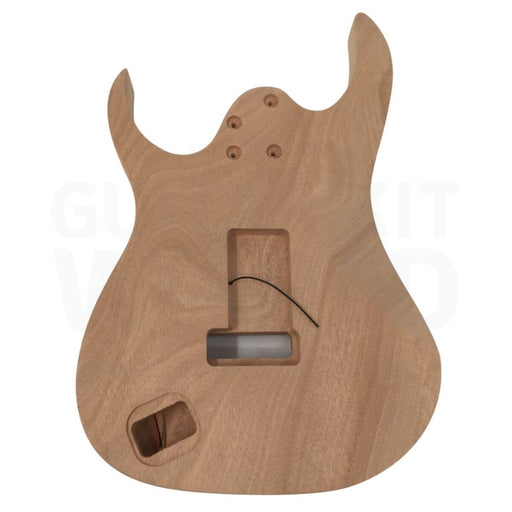
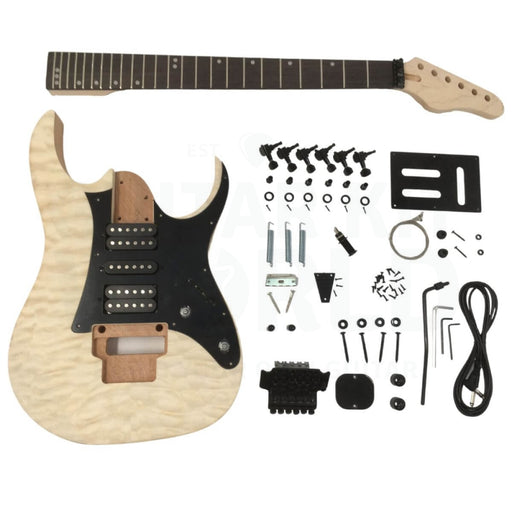
View full detailsWith our right-handed JE-style DIY Guitar kit, you can craft your very own instrument. Comprising a Mahogany body, Quilted Maple veneer, and Maple ...
View full detailsFuel your musical passion with the DIY Mahogany S-style Guitar Kit. Build a guitar that's as unique as your sound, featuring a smooth Roasted Maple...
View full detailsBuild your own left-handed S-style electric guitar with this high-quality DIY guitar kit, designed for smooth playability and classic tone. Featuri...
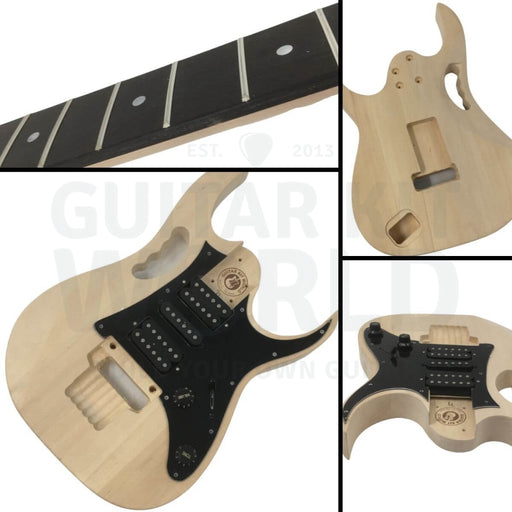
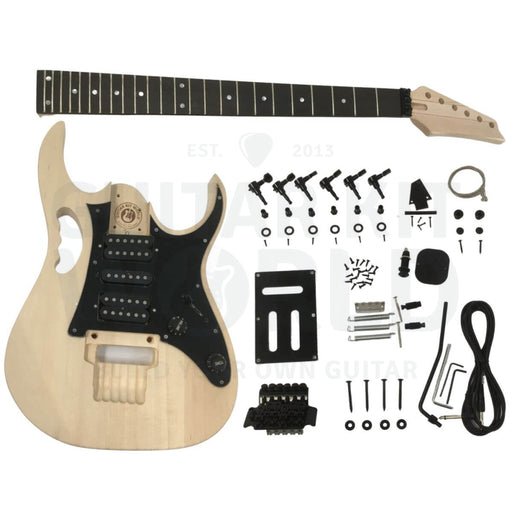
View full detailsBuild your own DIY guitar using this Basswood body JE-style guitar kit with Ebonized fretboard Maple neck. Full Specifications General Dexterity: ...
View full detailsType in a model or style to see what’s available.