




Looking for a Specific Guitar Kit?
Type in a model or style to see what’s available.
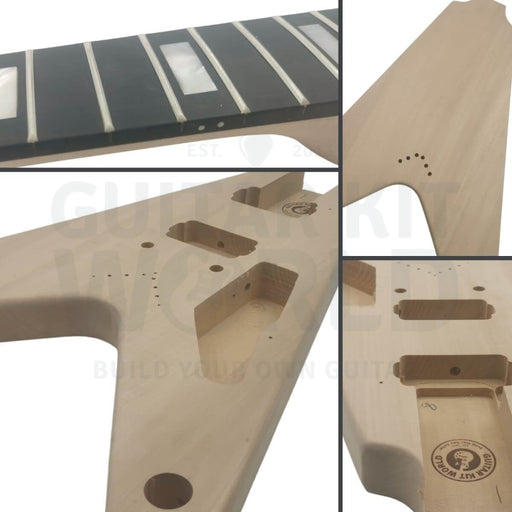
The V-shape body is one of the most recognizable silhouettes in electric guitar history. It looks bold on stage and feels surprisingly comfortable when you play standing up, with the body wings resting naturally against your leg.
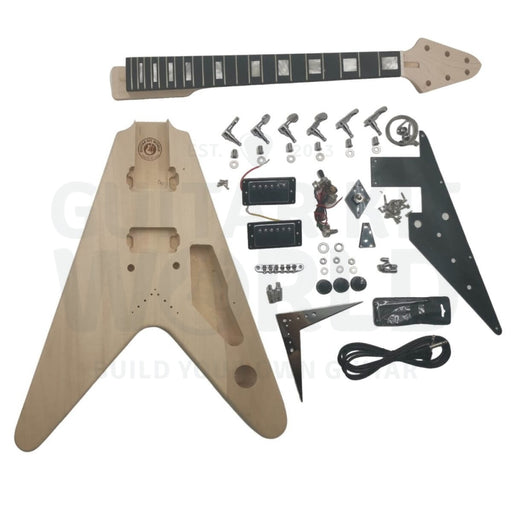
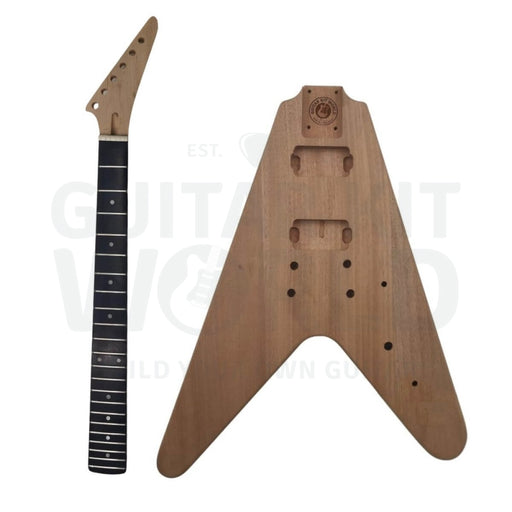
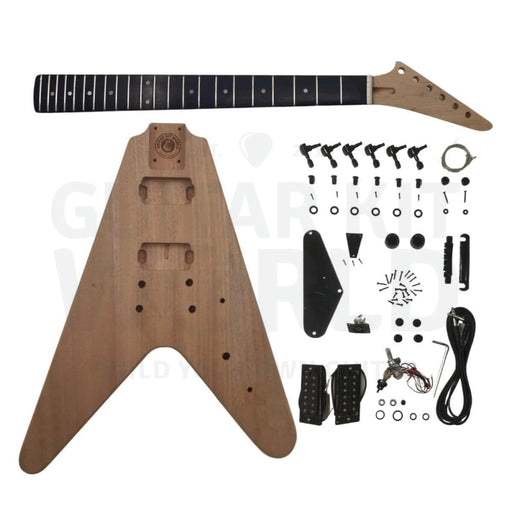
Our V-shape guitar kits come with mahogany bodies, set-neck joints, and humbucker pickups that deliver the thick, driven tone this body style is known for. Every kit includes pre-cut body and neck blanks, hardware, electronics, and all the parts you need to complete your build.
These kits suit intermediate builders who want a project with visual impact. The angular body shape requires a bit more care during finishing, especially around the sharp points, but the reward is a guitar that commands attention.
If you are after a heavy rock or metal tone with stage presence to match, a V-shape kit is the right choice. Each kit ships with a detailed build guide to walk you through assembly, finishing, and setup.
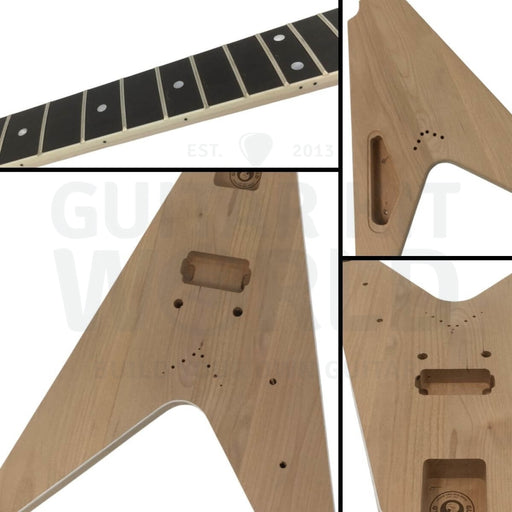
Build your own V-style Alder Body Guitar Kit with Maple Neck and Ebony Fretboard using this DIY Guitar Kit. Specifications Hand Orientation...
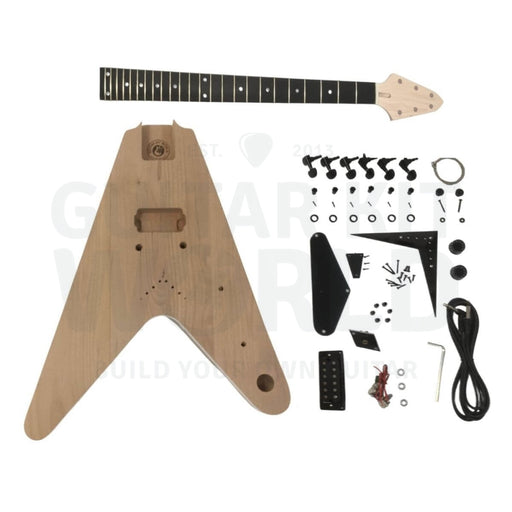
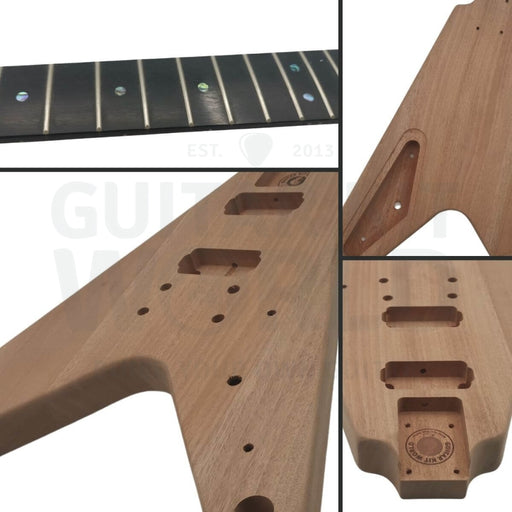
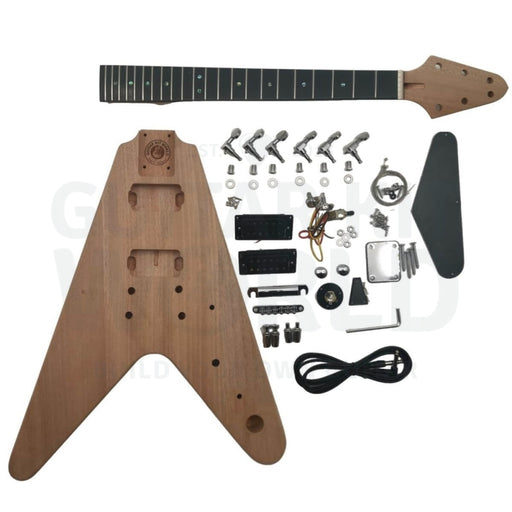
View full detailsMahogany body V-style Guitar Kit with ebony fretboard, maple neck, and white pearl trapezoid fretboard inlays. Specifications Hand Orient...
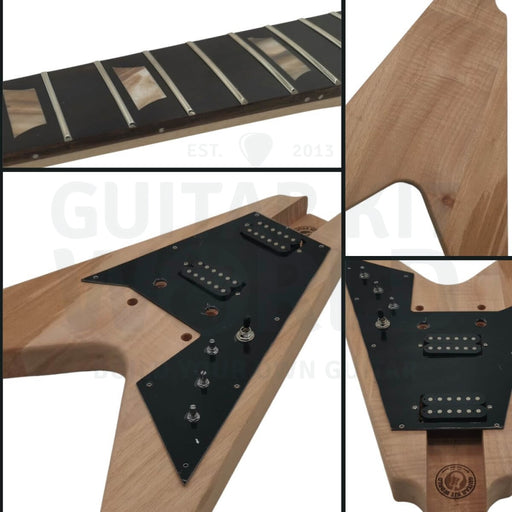
View full detailsMahogany body V1 guitar kit with ebony fretboard, mahogany bolt-on neck, and abalone dot fretboard inlays. Specifications Hand Orientatio...
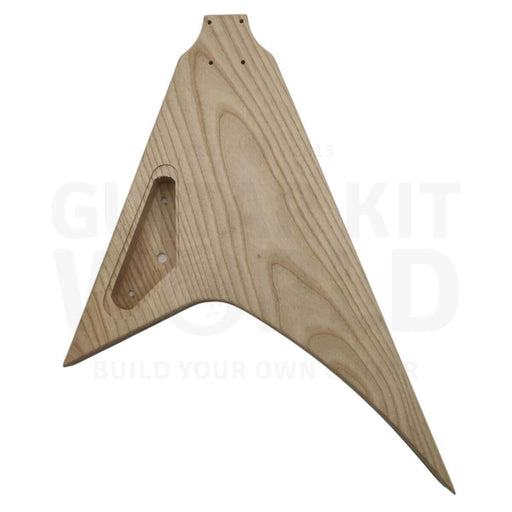
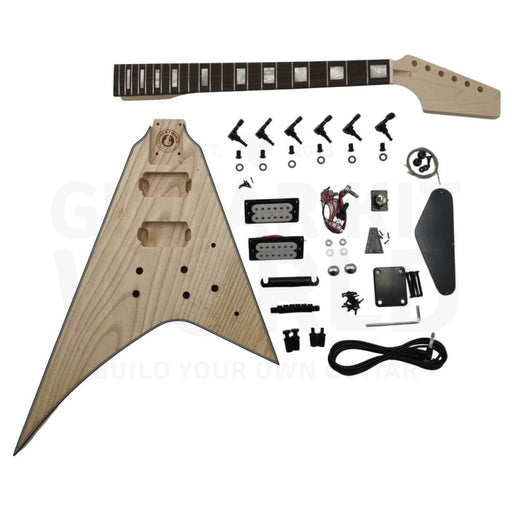
View full detailsReady to unleash your inner rockstar? Our Ash V-style DIY Guitar Kit is like a muscle car you build yourself, but instead of horsepower, you get fa...
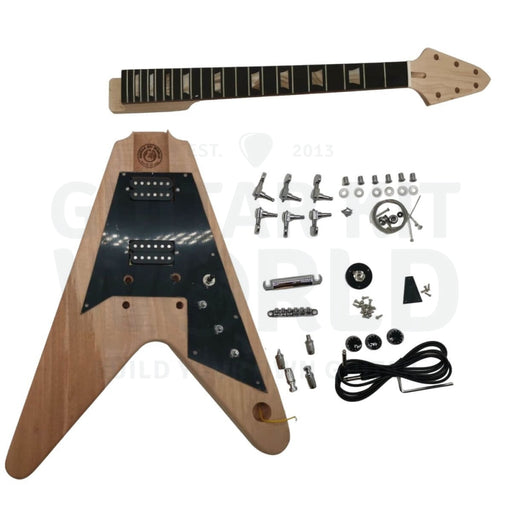
View full detailsBuild your dream V-style electric guitar. Featuring mahogany body, maple neck, Pau Ferro fretboard, bone nut, and chrome hardware. Dual humbuckers ...
View full detailsBuild your own Basswood V-style body Guitar with Maple fretboard using our DIY Guitar kits. Specifications Hand Orientation: Righty ...
View full detailsBuild your own Mahogany body V-style Guitar Kit with Mahogany neck and Ebony fretboard using this DIY kit. Specifications Hand Orientati...
View full detailsBuild your own V-style DIY guitar using this Custom Shop guitar kit. Specifications Body type*: Solid Neck Shape*: C-shaped Frets*: 2...
View full detailsBuild your own V83-style DIY guitar using this Custom Shop guitar kit. Description Body type: Solid Neck Shape: C-shaped Frets: 22 Scale: 24.75" ...
View full detailsBuild your own V57-style DIY guitar using this Custom Shop guitar kit. Description Body type: Solid Neck Shape: C-shaped Number of Frets: 22 Scale...
View full detailsMahogany is standard for V-shapes, delivering warm midrange with solid sustain.
Set-neck construction gives better sustain and resonance than bolt-on designs.
Dual humbuckers are typical, giving you the high-output tone this body style is built for.
The sharp wing tips need extra care during sanding and finishing to avoid thin spots.
V-shape guitars work best when played standing up or in a classical seated position with the body between your legs. The pointed wings make traditional seated playing awkward, so keep that in mind if you mostly play sitting down.
V-shapes are a natural fit for hard rock, metal, and any genre where you want visual impact alongside a thick humbucker tone. That said, they are versatile instruments that handle blues and classic rock well too.
V-shape kits are an intermediate build. The angular body needs careful attention during finishing, especially at the wing tips. If you have built one kit before, you will handle this without trouble.
Depending on the type of guitar you buy you may only require tools and materials for finishing the guitar (painting) and soldering.
Screwdrivers, sandpaper and sanding block. Finishing supplies e.g. paint, stain, and clear gloss, ventilation mask, coping saw or jigsaw if shaping the headstock.
With this small list of inexpensive tools, you will be up and running and ready to build your electric guitar in no time.
Recommended reading: Luthier Tools for DIY Guitar Kits.
Our stock kits contain all necessary parts (unless stated otherwise on the product page).
It depends on the choice of finish. For instance, when you paint or stain a guitar you will need the surface to dry and harden (cure). This can take anywhere from 1 week to 3 months depending on your choice of finishing product.
You will find the guitar dries to approximately 90% very quickly but the final 10% takes some time. If you can't wait that long you could try tung oil or wax finish but bear in mind the finish won't be as durable and protect the guitar as effectively.
Most of our kits require basic soldering. If you're new to it, check out our wiring guide here.
If you don't want to solder, or don't have the tools, our solderless guitar kits use plug-and-play wiring. No iron required.
You can use stain, paint, or oil-based finishes. Learn more about finishing techniques here.
Our advice: use a reference. In most cases, this will be a guitar you particularly like the look of and want to create something similar.
To view the latest DIY guitars from our community follow us on Instagram and visit our Customer Reviews page.
It's defined firstly by the components you use and secondly the workmanship that goes into putting it all together.
Watch the community section of our YouTube channel to learn how kit guitars sound.
Type in a model or style to see what’s available.